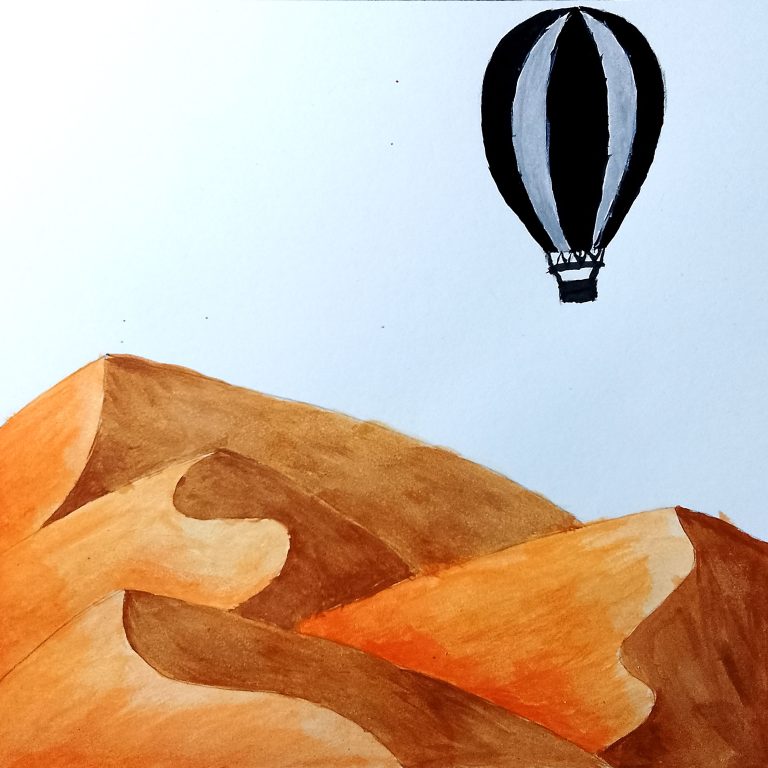
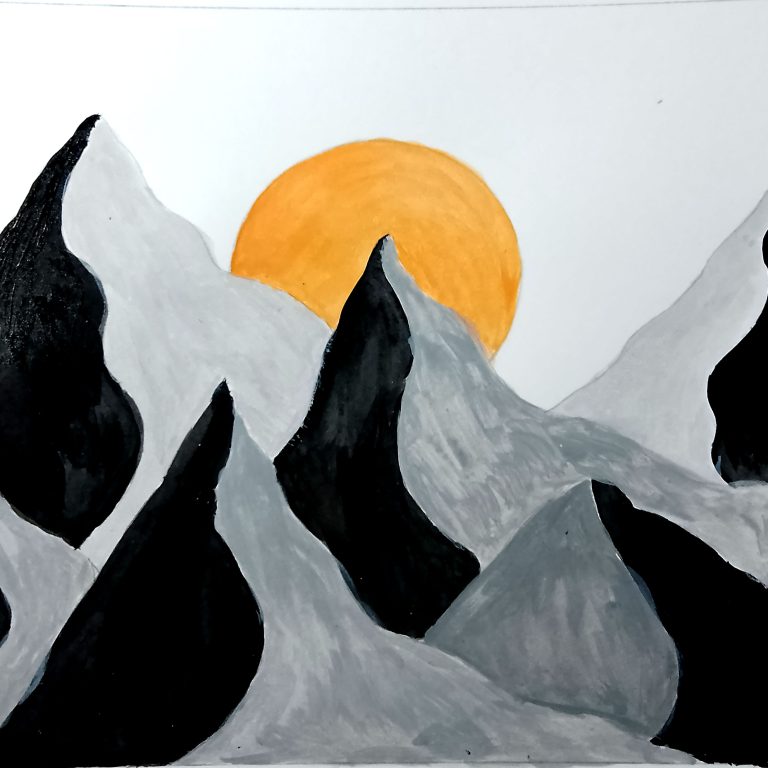
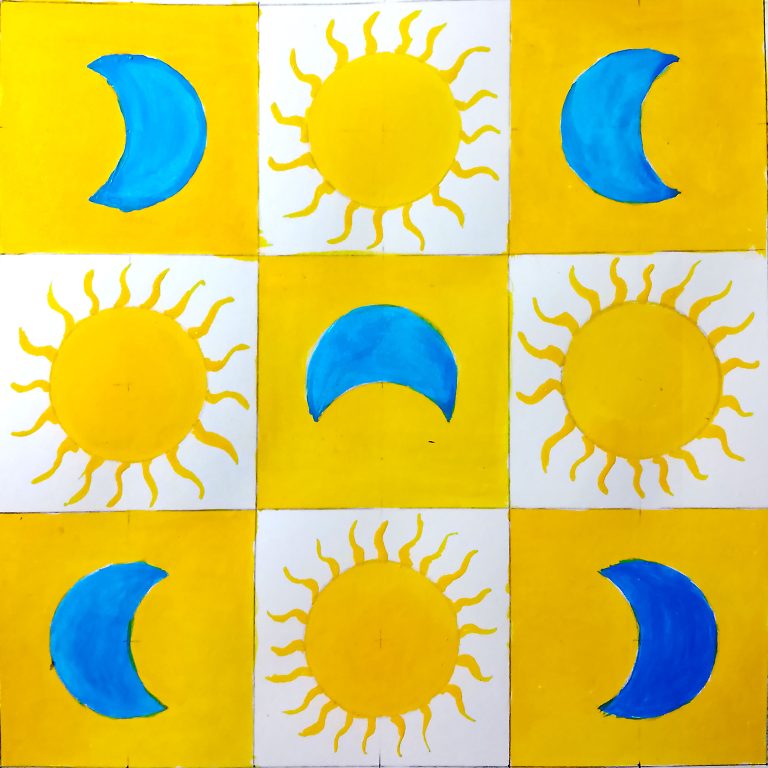
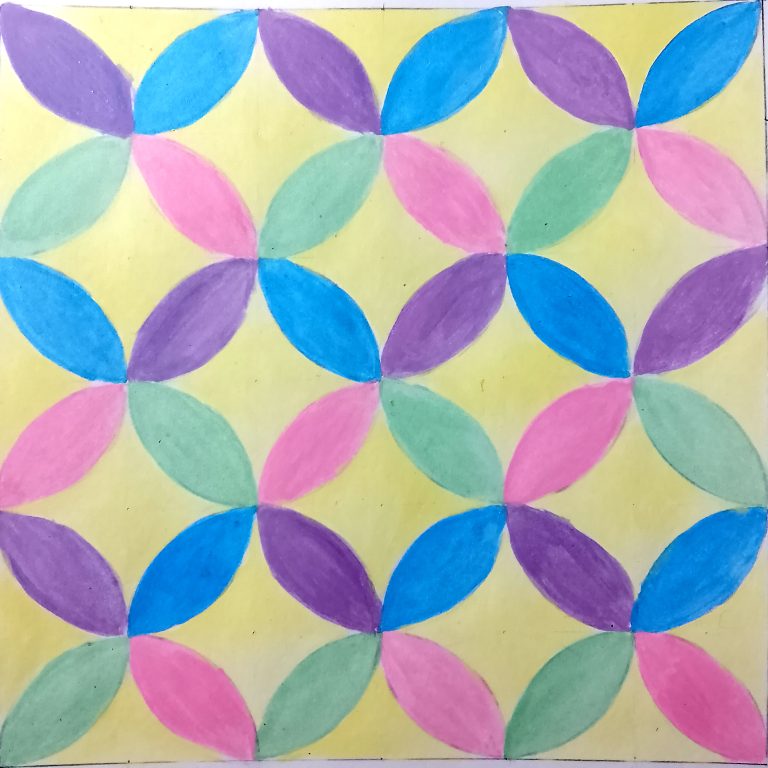
The Principles of Design are the guidelines or rules that help designers organize and arrange the elements of design (like line, color, shape, and texture) to create compositions that are visually appealing, balanced, and effective.
They determine how the elements work together — controlling the overall look, harmony, and emotional impact of a design.
The principles of design guide how lines, colors, textures, shapes, and proportions come together to form a cohesive and attractive garment or collection. They influence silhouette, balance, movement, and visual rhythm — all of which affect how a design looks on the body and how viewers perceive it.
Balance
Balance means distributing visual weight evenly so the design feels stable and pleasing. There are three main types:
Symmetrical Balance: both sides mirror each other (e.g., a perfectly tailored blazer).
Asymmetrical Balance: different elements balance each other through contrast (e.g., one bold sleeve balanced by a simple body).
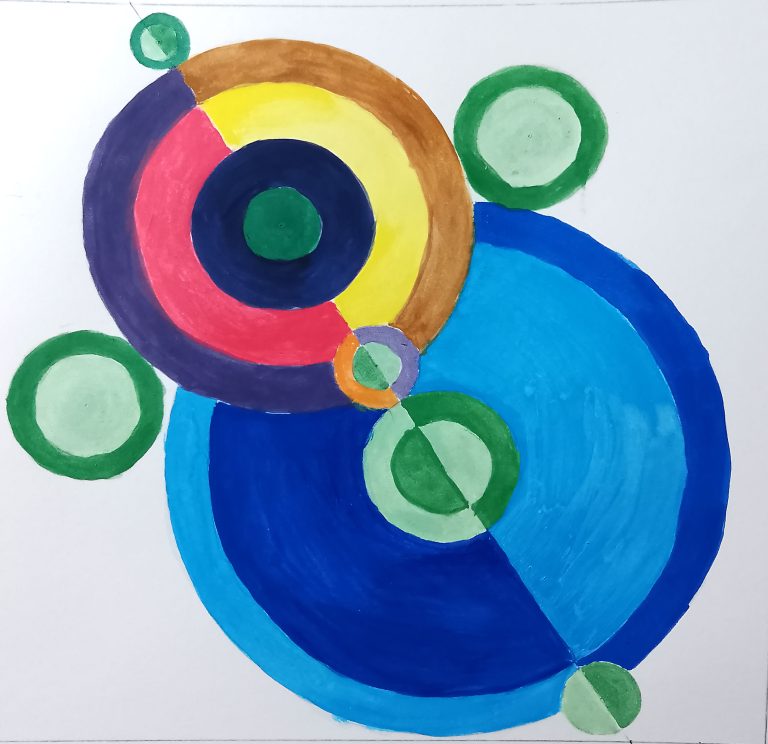
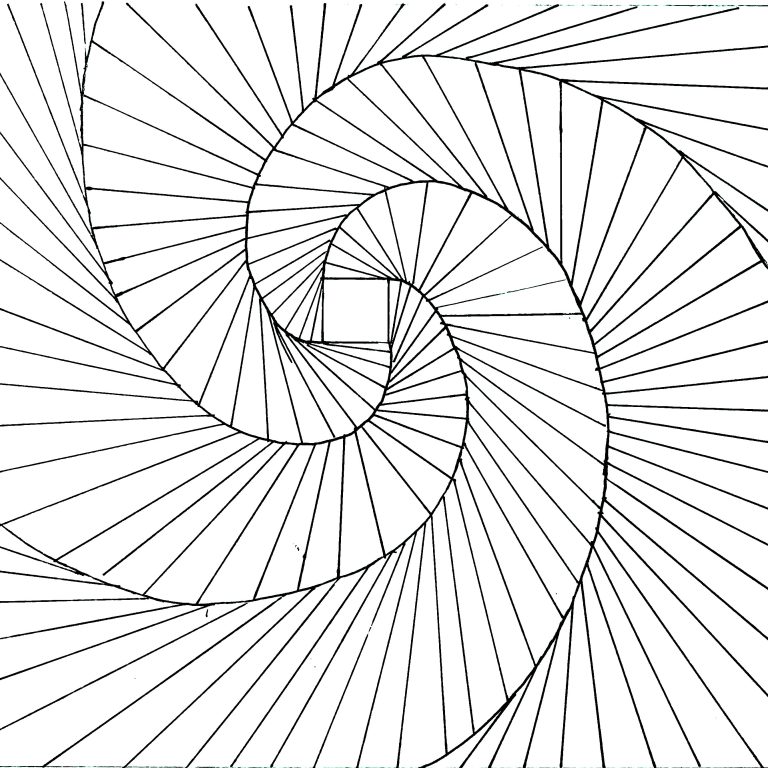
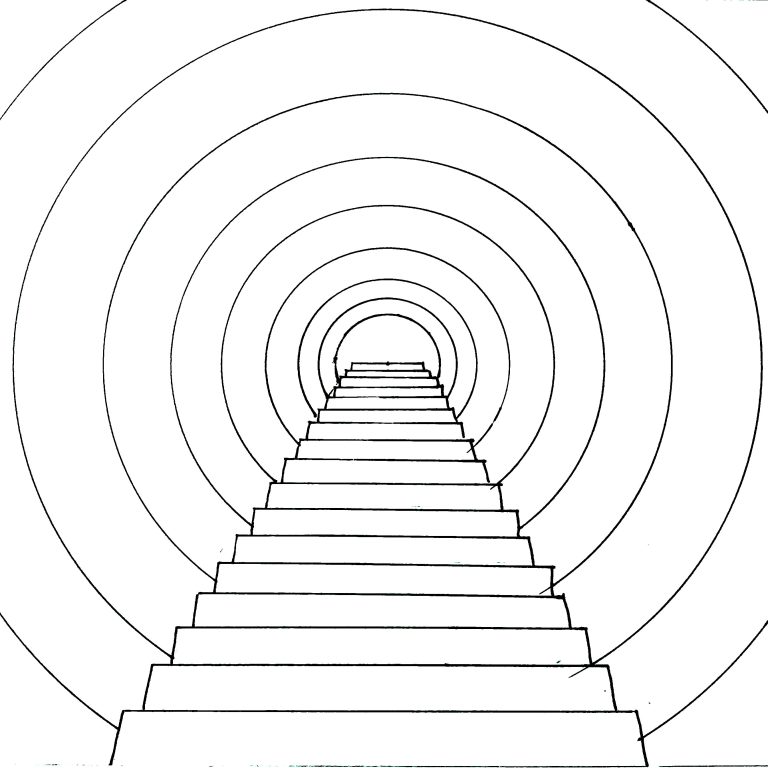
Radial Balance: elements radiate from a central point (e.g., a circular pattern or pleated skirt).
Contrast
Contrast creates visual interest by showing differences. It highlights what’s important and prevents a design from looking flat or boring. Common contrasts include:
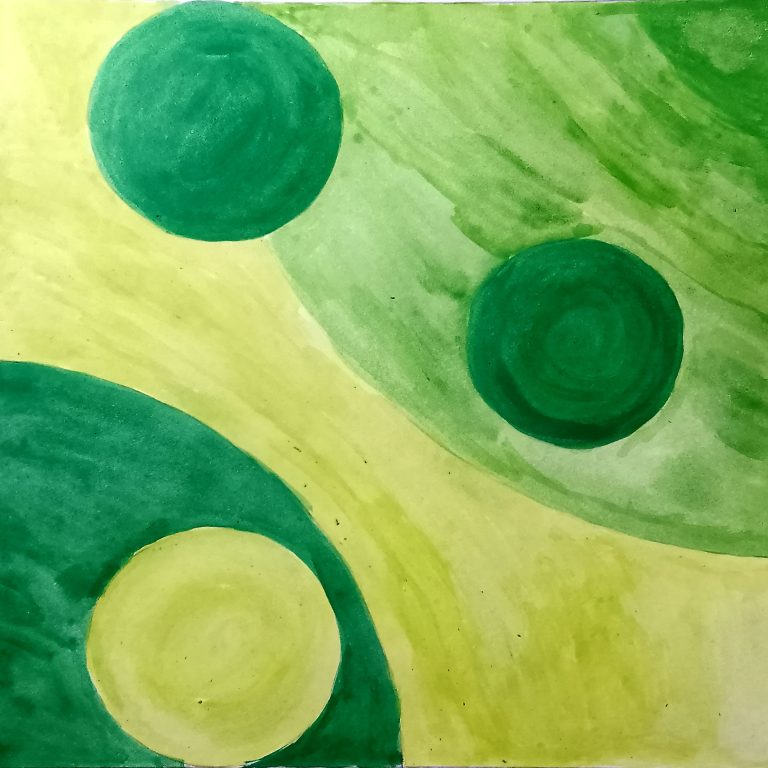
Light vs. Dark
Rough vs. Smooth
Big vs. Small
Modern vs. Traditional
Emphasis
Emphasis directs attention to the main area — your design’s focal point. It helps viewers know what to look at first. You can create emphasis with color, placement, shape, texture, or scale.
Pattern
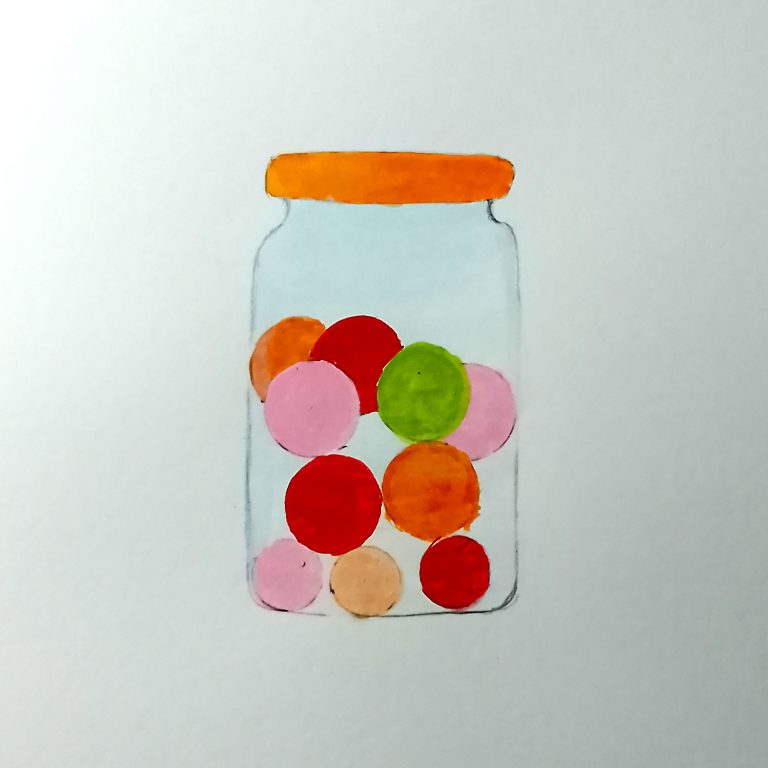
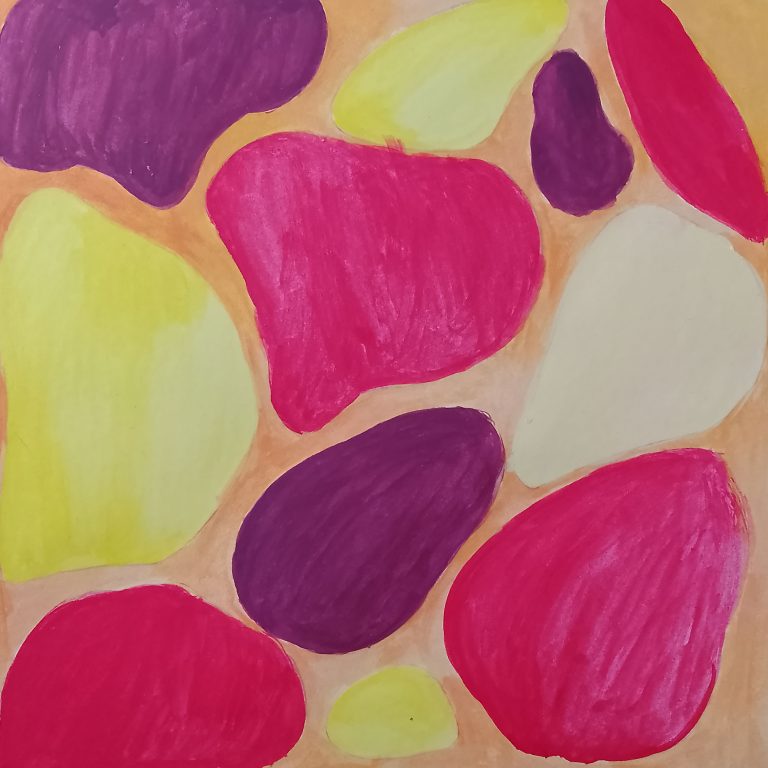
In design, a pattern is a repeating arrangement of elements like lines, shapes, colors, or textures to create a consistent and recognizable theme. It can also refer to a reusable solution for a common design problem, particularly in software or architecture, where a pattern provides a template for a successful and tested design.
Rhythm
Rhythm is the repetition or pattern that gives a design visual flow — like a beat in music. It can be regular, alternating, or progressive (changing gradually).
Harmony
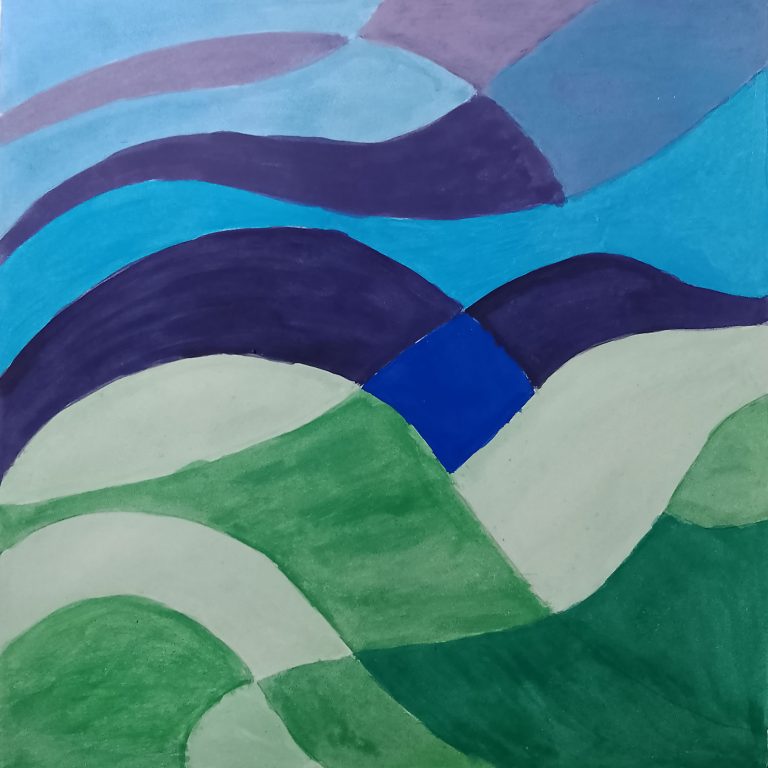
Design harmony is the principle of creating a cohesive and unified design by arranging similar or related elements in a visually pleasing way. It is achieved by using repetition, balance, and contrast to make sure all parts of the design work together to form a balanced and unified whole, preventing visual tension. Harmony can be applied through consistent use of shapes, colors, lines, textures, and ideas.
Repetition: Repeating similar elements like shapes, colors, or lines can create a sense of agreement and connection between different parts of the design.
Balance: Harmony requires a balance between areas of high-contrast and those that are harmonious. Too much contrast can be jarring, while too much harmony can be monotonous.
Cohesion: Harmony creates a feeling that all the elements of the design “fit together” and support each other, even if they aren’t identical.
Contrast: To avoid monotony, harmony is often balanced with contrast. This can be a small, contrasting element that breaks up a larger harmonious area, drawing the eye to a focal point.
Proportion
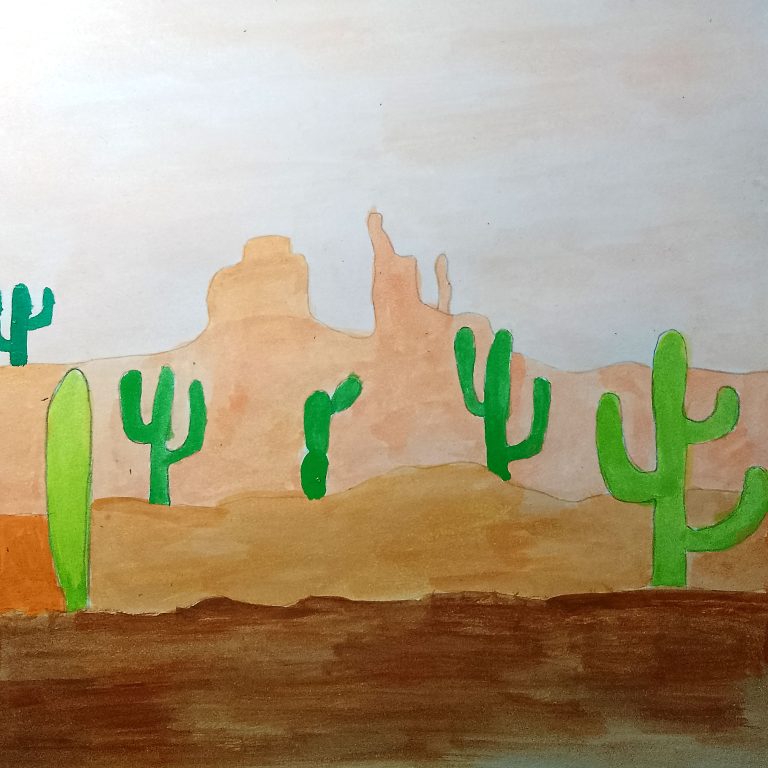
Proportion deals with the size relationship between parts of a design. When proportions feel right, the design looks natural and pleasing. When they’re exaggerated, it creates drama or artistic effect.
Unity
Unity means all parts of a design work together as one whole. It’s about consistency — of color, style, fabric, and mood. Without unity, designs can feel confusing or disconnected.
Variety
Variety keeps a design interesting. It’s the opposite of monotony — adding differences while maintaining unity. You can bring variety through texture, color, pattern, or shape.